
Every winter, this tart little berry appears on Thanksgiving tables, then makes its way into cocktails, pastries, mocktails, cheese boards, and every holiday display. And without fail, cranberries stay with us through the darkest months of winter.
If you grew up in America, you may have assumed cranberries were simply decoration — a seasonal aesthetic, something red to match the pine and the lights. Easy to overlook.
But cranberries have a story far older — and far wiser — than their modern holiday reputation.
This is the deeper truth about seasonal eating, winter health, and why your body instinctively reaches for tartness the moment winter settles in with its feasting, sugar, and long, dark days.
Because seasonality isn’t folklore. It’s design. God’s design.
Which means it is always the highest and best.
Why Cranberries Are Designed for Winter
Winter comes with foods written into its very fabric, and cranberries are one of them — bright, cleansing, sharp, and purposeful. They arrive at the exact moment when the body needs something that can cut through heavy winter meals and support clarity, digestion, and immune strength.
Old-world families understood this long before nutrition labels existed.
My grandmother kept jars of cranberries deep on the cellar shelves in Poland — ruby red, almost medicinal, waiting for the months when the body needed help staying clear and awake. Cranberries, to her, were essential. A true winter apothecary food.
And here is what amazes me every time I look at seasonal foods:
God tucked winter’s Vitamin C into the fruit that ripens precisely as the cold arrives — a quiet reminder that He provides what the body needs in each season.
Before supplements.
Before wellness aisles.
Before influencers and trends.
Cranberries carried exactly what winter required. And our bodies still know it.
Why We Crave Tart Foods in Cold Weather
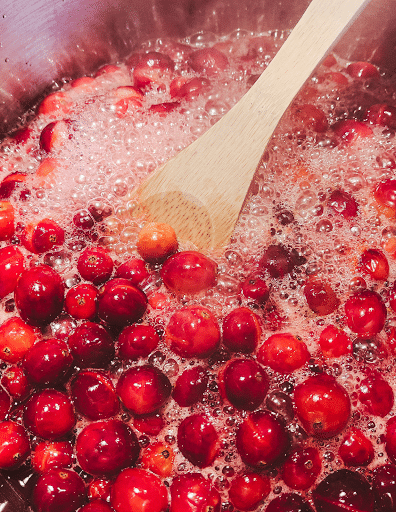 Cranberries have a natural tartness that wakes the body — the way a bright note cuts through a heavy song.
This is why tart seasonal foods feel so right in December and January.
Here is the wisdom built into this winter fruit:
1. They brighten digestion after long meals.
Tartness naturally stimulates digestive clarity — essential during the season of feasting.
2. They support urinary tract health.
For centuries, cranberries were known to keep things “moving cleanly,” especially when hydration drops in cold weather.
3. They sharpen clarity when everything feels slow.
Tart fruit refreshes the senses — almost like fresh winter air for the inside.
4. They lighten the liver’s load.
Deep red pigments provide the brightness and cleansing the body needs during heavy winter meals.
5. They prevent stagnation.
Old herbalists used this word deliberately.
Stagnation described the heavy, sluggish feeling winter brings: slow digestion, low energy, dullness. Cranberries interrupt that.
Your body isn’t imagining its craving for tartness.
It’s remembering.
Cranberries: Winter’s Quiet Medicine
Sometimes I think of cranberries as winter’s mercy — a vivid interruption, a flash of brightness in a season that can feel heavy in every way.
God knew winter would ask more of us, so He filled its seasonal fruits with exactly what we would crave and require, long before we understood the science behind it.
As I prepare my December table, I reach for cranberries the way my grandmother once did — not because they are festive, but because they belong to this season by design.
Winter doesn’t have to feel dull.
It can be bright, cleansing, alive with old wisdom — if we honor the rhythm of creation.
And maybe this small red berry — the humble cranberry most people overlook — is winter’s quiet teacher.
— Aneta