There was a time when my pantry looked like a pharmacy.
Amber bottles lined up with quiet authority. Magnesium for sleep. Zinc for immunity. B-complex for energy. Vitamin D for winter. Probiotics in capsules, promising balance in strains with names that sounded like laboratory codes rather than living organisms.
I told myself this was responsibility.
I read studies. I compared dosages. I followed protocols. After forty years of dieting, experimenting, restricting, and correcting, supplementation felt like precision. It felt like control. If something was missing, I could simply add it.
But something about it began to feel… thin.
The bottles multiplied. The meals simplified. I was “covered,” yet not deeply nourished. The ritual of swallowing capsules replaced the older ritual of preparing food. Nourishment became an extraction project: isolate what is useful, compress it, consume it quickly, move on.
That logic is modern. It is efficient. It is persuasive.
It is also incomplete.
The Promise of Supplements
Supplements promise certainty. A measured dose. A guaranteed number of milligrams. A standardized outcome. They appeal to a culture that no longer trusts the soil, the farmer, the season, or even the apple.
When food became unreliable—depleted soils, industrial agriculture, ultra-processed convenience—supplements stepped in as correction. They filled gaps we created.
There are situations where they are necessary. Severe deficiencies. Medical conditions. Short-term therapeutic use under guidance. I am not dismissing that reality.
I am describing something else.
I am describing how easy it is to build a life around capsules while neglecting the deeper structure of eating. The original design.
When Food Is Reduced to Chemistry
At some point, we began speaking of food as if it were a delivery system for nutrients.
Protein grams. Omega-3 content. Antioxidant density.
All true. All measurable.
But food is not only chemistry. Rather, it is structure. It is context. It is interaction.
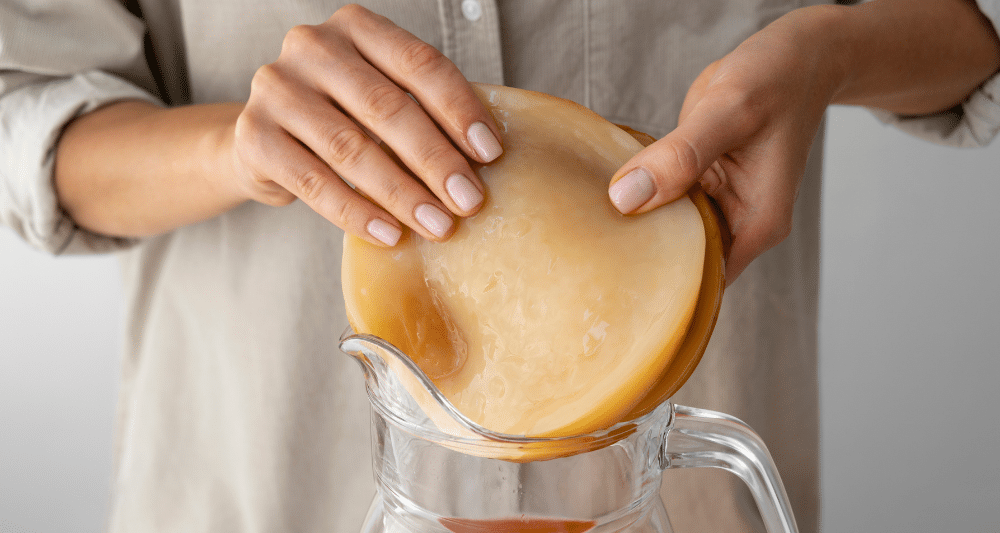
A cabbage turning into sauerkraut does not merely “contain probiotics.” It carries an ecosystem shaped by time, salt, and watchfulness. Milk that becomes kefir transforms within a living culture, not a single isolated strain in a capsule. Sweetened tea becoming kombucha reorganizes itself in relationship to heat, oxygen, microbes, and patience.
No one extracted a single compound from cabbage and called it dinner.
They fermented it. They salted it. They let it change.
And they ate it.
The Quiet Shift
My shift away from supplements did not happen dramatically. There was no vow. No declaration. I simply began to ask a different question:
What if the answer is not another pill?
What if the answer is a better plate?
Instead of adding more, I started subtracting the unnecessary. Ultra-processed foods disappeared first. Then fortified “health” snacks. Then synthetic drinks engineered to imitate fermentation and energy. When the foundation of my meals changed, the need for correction changed with it.
I returned to:
- Eggs with bright yolks.
- Meat raised with care.
- Broths simmered long enough to thicken naturally.
- Fermented vegetables made in my own kitchen.
- Real sourdough.
- Kombucha crafted and harvested when ready, not rushed to fit distribution schedules.
Gradually, the pills emptied and were not replaced.
Trusting the Design
Growing up in Poland, nourishment did not arrive in capsules and powders. It arrived in gardens, cellars, crocks, and jars. Women did not calculate probiotic counts. They salted cabbage and stored it for winter. They did not measure vitamin C in milligrams. They preserved what the season gave.
There was trust in the structure of food itself.
My faith deepened that understanding. If God designed plants, animals, seeds, and fermentation, then perhaps nourishment was meant to be whole before it was fragmented. Perhaps the design already accounted for complexity.
The body is not a machine that requires isolated spare parts. It is an organism designed to interact with living systems.
Supplements often bypass that relationship. Real food requires it.
What I Rely on Now
Today, my “supplement routine” looks different:
- Fermented foods daily, in modest amounts.
- Mineral-rich broths.
- Seasonal vegetables.
- Meat and fish.
- Real sugar used proportionally and for fermentation, not feared.
- Sunlight.
- Rest.
- Community at the table. My favorite.
This is slower. It demands participation. It cannot be swallowed in seconds.
It feels steadier.
A Necessary Clarification
There are moments when supplementation is wise. Pregnancy. Documented deficiencies. Certain medical conditions. I would never advise someone to ignore medical counsel.
But for many of us, supplementation became a substitute for examining the quality of our food.
We attempted to engineer health from fragments.
I found more peace returning to structure.
Eat Your Supplements
Eat your supplements.
Eat the meat instead of the powders.
Eat the sauerkraut instead of the probiotic.
Eat the sardines instead of the omega-3 softgel.
Eat the sunlight-fed egg instead of the isolated nutrient.
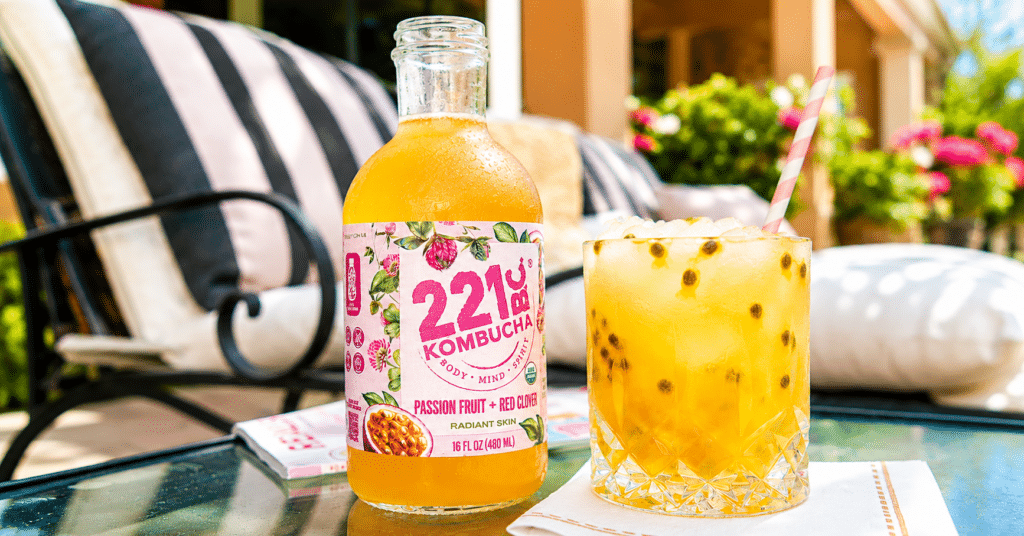
Drink kombucha, kefir or yougurt for organic acids instead of capsules.
Let the design remain intact. Design that resembles how people nourished themselves long before we learned how to label deficiencies.
And for me, it restored something more than numbers on a lab report.
It restored trust.
In the soil.
In fermentation.
In proportion.
In the quiet intelligence of real food.
In community.







2 Responses
Love this article. I work for primal
Kitchen and have followed you for years. Our motto is to eat real food! You nailed it. My best from a local srq gal!
Well I’ll give it a try!
I had forgotten how my family eats sauerkraut regularly and never really did suffer from gut ailments. Kind of gotten away from Kiefer, but do consume fair amount of yogurt. The eggs, yes bright yolks, almost orange. I am going to pick up sardines on the way home at Sprouts. Let’s see what happens.!😊